INC Launches 30-Hour Accredited CNE Course on Elderly Care for Nurses
Key Takeaways
- 1The Indian Nursing Council (INC) has launched a 30-hour accredited Continuing Nursing Education (CNE) course on Care for the Elderly, aimed at equipping nurses with essential skills to address the growing healthcare needs of India’s ageing population.
- 2According to the official course document, India’s elderly population (aged 60 years and above) is projected to increase […].
Listen to this Article
Narrated by system voice
The Indian Nursing Council (INC) has launched a 30-hour accredited Continuing Nursing Education (CNE) course on Care for the Elderly, aimed at equipping nurses with essential skills to address the growing healthcare needs of India’s ageing population.
According to the official course document, India’s elderly population (aged 60 years and above) is projected to increase significantly—from 10.5% to 20.8%—with many individuals experiencing chronic diseases and disabilities. This demographic shift has highlighted the urgent need for trained healthcare professionals in geriatric care.
The course is being implemented by Health and Beyond Consultants (HAB), Delhi in collaboration with Jodhpur School of Public Health (JSPH), as part of INC-accredited nursing education initiatives.
Key Highlights
- 30-hour online CNE course (6 credit hours)
- Focus on elderly and geriatric care
- INC-accredited certification
- Delivered through interactive online sessions
The program is designed to provide nurses with evidence-based, person-centred care approaches for elderly patients across diverse healthcare settings, including hospitals, community care, and home-based environments.
Course Structure
The curriculum covers key areas essential for geriatric care, including:
- Concepts and principles of elderly care
- Geriatric assessment
- Management of chronic conditions and illnesses
- Communication with elderly patients
- Nutrition and dietary needs
- Home-based care and palliative support
- Elder abuse awareness
- Mental health and counselling
- Healthy ageing practices
Each module is structured to ensure practical understanding and applicability in real clinical and community settings.
Eligibility
The course is open to a wide range of nursing professionals, including:
- Registered Nurses from government and private sectors
- Nursing superintendents and administrators
- Nursing faculty
- Nursing students (Masters and doctoral level)
- Nurses working in elderly care institutions
Training & Certification
The training will be conducted through interactive online sessions, allowing flexibility and accessibility for participants across different regions.
Upon successful completion, participants will receive a digital certificate with 6 CNE credits, which holds national and global recognition due to INC accreditation.
Additional Benefits
- Live interactive sessions with trainers
- Affordable and accessible course modules
- Recognized certification for career advancement
Interested candidates can register through the official training platform, as mentioned in the course notification.
With the increasing burden of age-related health conditions, this initiative is expected to play a crucial role in strengthening geriatric nursing capacity and improving the quality of elderly care services across India.
About the author
Rajendra Sharma, RN, RM
Editorial contributor at Nursing News India.
View all articles by RajendraGet the brief that 12,000+ nurses read every Tuesday
Top stories. INC updates. CNE opportunities. 5-minute read.
Double opt-in via Brevo. Unsubscribe anytime.
Read our Editorial Policy · Corrections Policy · Fact-Checking Policy
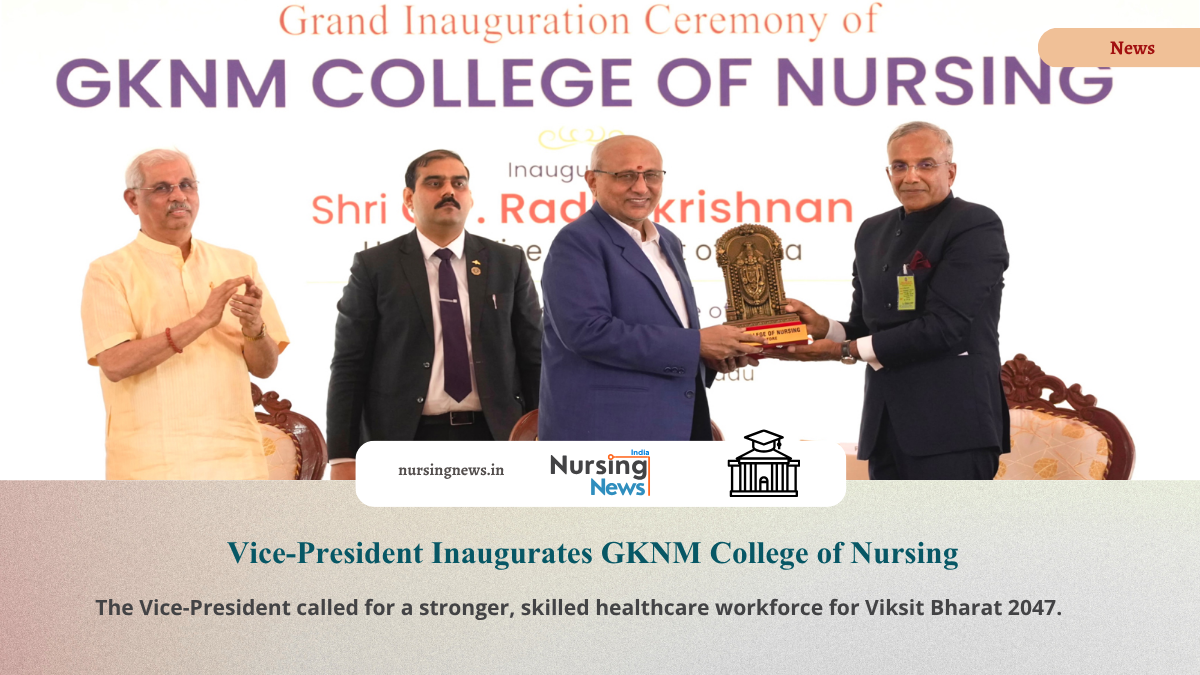
Vice-President opens GKNM College of Nursing, calls for a stronger health workforce
At the Coimbatore inauguration, C. P. Radhakrishnan called nurses central to healing and tied nursing education to India's Viksit Bharat 2047 goal.
2 min read